Experiment: In the Mix
study director: friday jones
study period: January - February 2026
ABSTRACT
In the Mix (Cohort Alpha-26) was an 8-week, hybrid-model introductory audio engineering program built to strengthen technical skill and studio confidence for women and femme music artists. I received a Creative Growth Grant to participate in the program, then expanded it into a full cohort I developed and coordinated, serving as both program coordinator and participant. I partnered with Backspinz Academy as host institution and its founder, Claude Whitfield, who brought on Nigel Malone of Colorful Noise as lead instructor.
FUNDING
In the Mix was funded by a $2,500 Creative Growth Grant from the City of Charlotte, awarded to support both the program's development and my participation in it.
"These grants are reflective of the city's ongoing and eager support of Charlotte's creative community," said Mayor Vi Lyles. "We are committed to strengthening our arts and culture ecosystem and fueling the creativity that exists in every corner of the Queen City."
about the study directorI'm a certified teaching artist, studio and venue owner, and independent MUSIC artist with a social science background and years of experience IN THE music industry. As the founder of friday’s dope llc, I bring entrepreneurial and administrative experience to building programs from scratch, and a deep commitment to community development. That combination UNIQUELY positions me to lead In the Mix from theory to real-world results.
HYPOTHESIS
Hypothesis: If women and femme artists are given structured, hands-on access to audio engineering training within a shared cohort then they will gain technical fluency, as well as the confidence and community to sustain it.
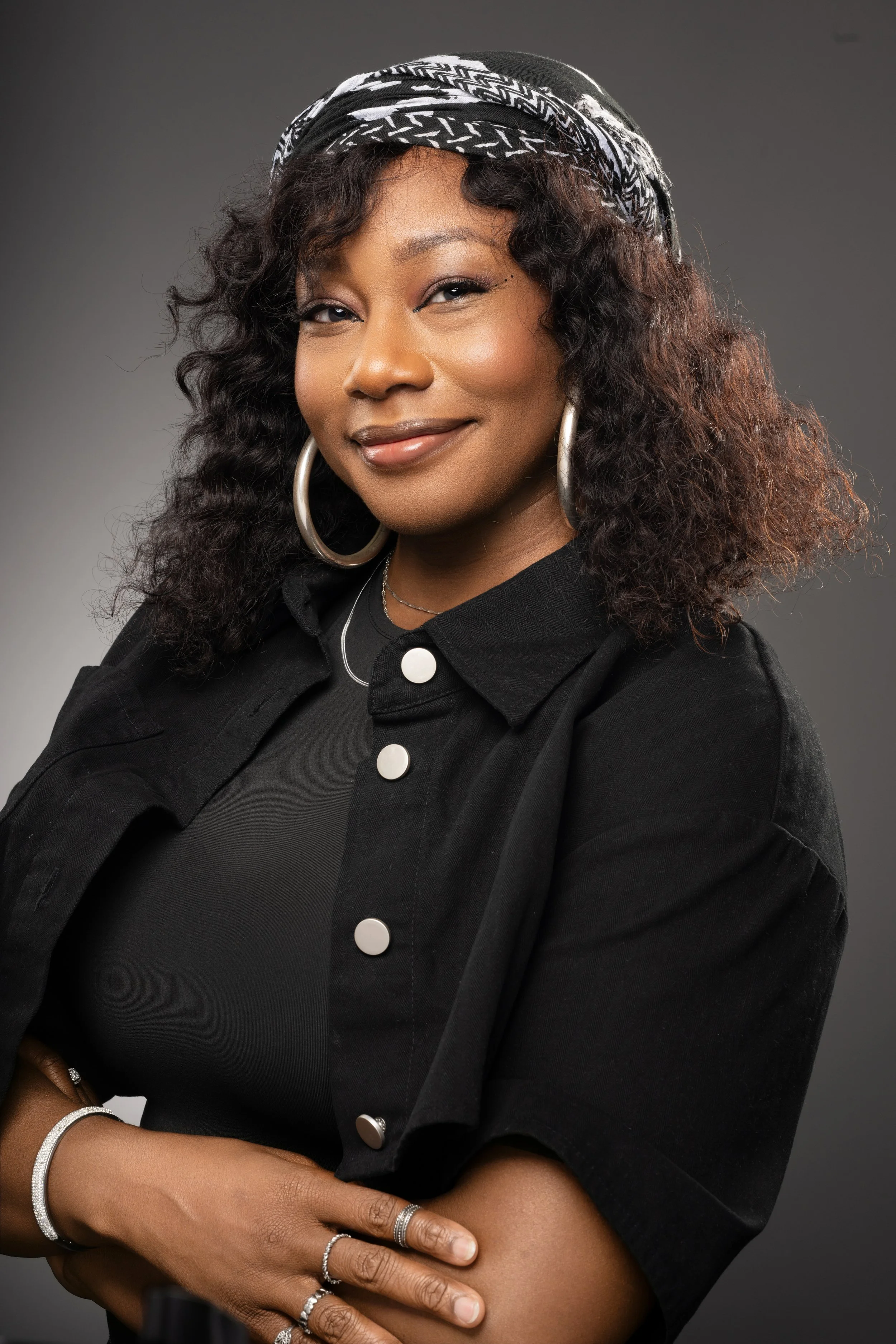
friday jones | photography courtesy of michael maxwell
The idea for In the Mix started with a gap I felt firsthand: women are severely underrepresented in audio engineering. I'd spent enough time in studio sessions being the only woman in the room, deferring technical decisions to someone else because I didn't have the vocabulary or confidence to make them myself. My music journey as an independent artist would eventually lead to Friday's Dope House, my intimate music venue and elevated production house, where the recording studio was woefully underutilized. The resource was there, the need was there, and the gap between them was mine to close.
My hypothesis was simple: if I built my own technical fluency, I could not only engineer my own work with more control, but open a door too few women enter. I applied for a Creative Growth Grant intending to fund just my own training. After some self-reflection, I realized I learn best in a cohort model, and I didn't want to keep this opportunity to myself when I knew other women and femme artists were navigating the exact same struggle. So the hypothesis expanded: instead of training alone, I'd build a cohort, a room where we could gain both the skill and the confidence together.
METHOD
STRUCTURE
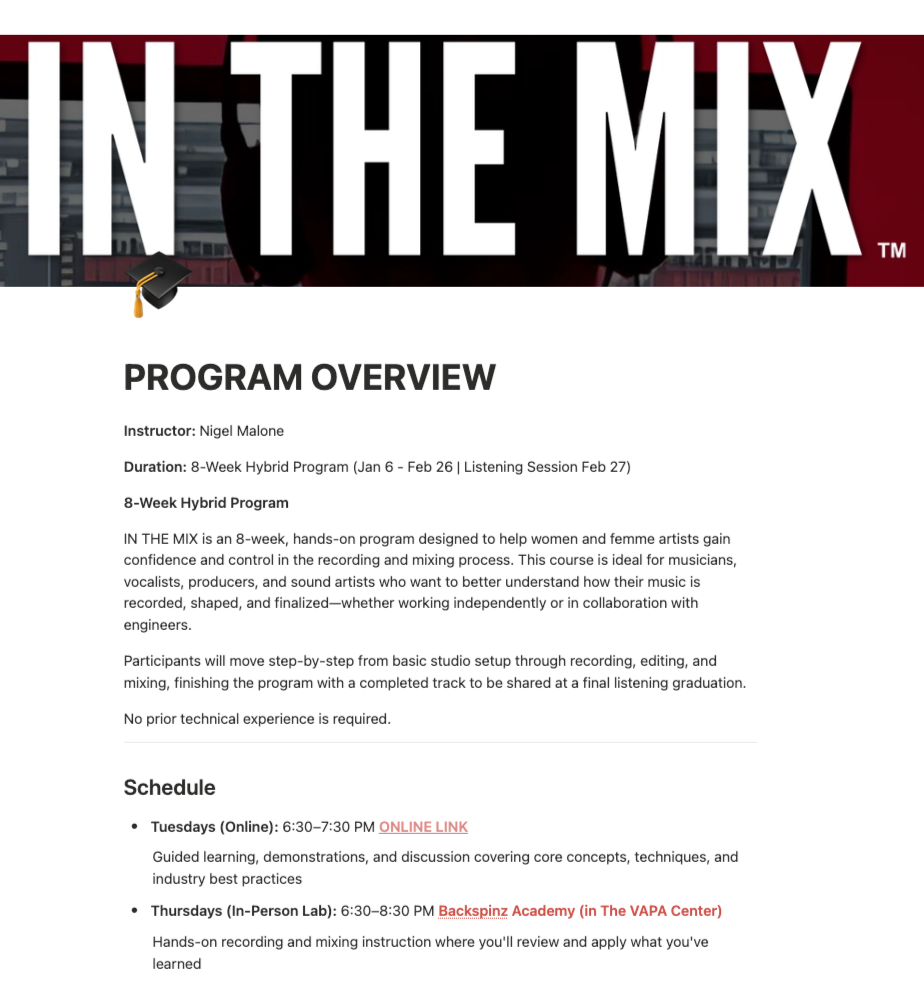
In the Mix ran for eight weeks, from January 6, 2026, through February 26, 2026, with a final Listening Graduation on friday, February 27. The program followed a hybrid format: Tuesdays were held online for an hour, covering core concepts, demonstrations, and discussion, while Thursdays were two-hour in-person labs held at the host institution, Backspinz Academy, where participants applied what they learned hands-on.
I capped enrollment at 10 participants, with an ideal cohort size of eight. This was small enough to keep instruction personal, but large enough to build a real community.
The program moved through four two-week phases: Foundations (studio basics, signal flow, microphone technique), Recording & Editing, Mixing Essentials, and Creative Mixing & Finalization, ending with each participant completing a fully recorded and mixed track to share at graduation. As a cohort, we also wrote, recorded, and performed an original song together, "In the Mix," an anthem for the experience, at the graduation ceremony.
CURRICULUM
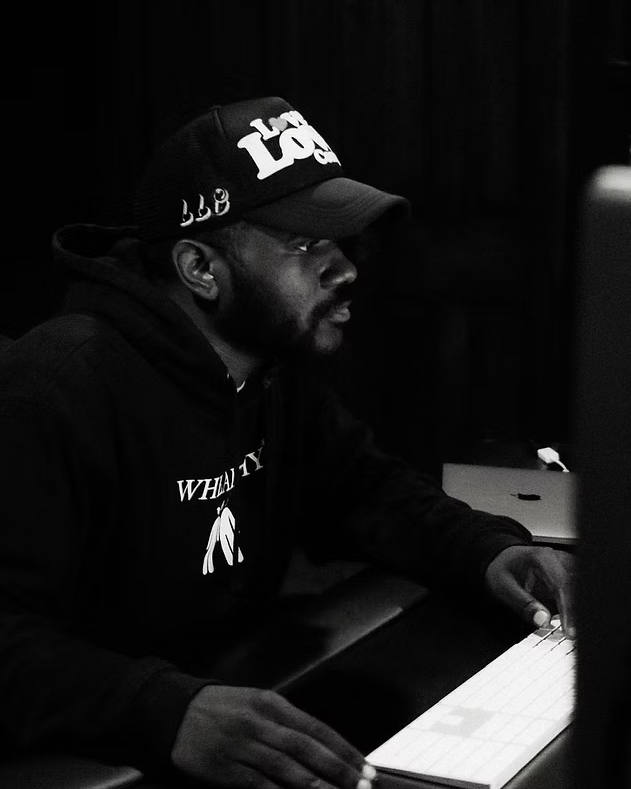
The curriculum moved participants from fundamentals to a finished product: understanding signal flow and microphone technique, tracking and editing vocals and instruments, then shaping and finalizing a mix using EQ, compression, and effects. I coordinated closely with Nigel Malone to develop the curriculum, leaning heavily on his experience facilitating similar programming for his company, Colorful Noise. His guidance shaped the initial structure, and we adjusted pacing and depth as the program progressed, responding to participants' varying experience levels and interests.
Rather than teaching a single software, the curriculum included exposure to three industry-standard DAWs, Pro Tools, Logic Pro, and FL Studio, so participants left able to work confidently across all three.
Technical skill was only half of it. The engineer mindset, communicating creative vision clearly, navigating collaborative sessions, and building the confidence to advocate for your own choices, was woven throughout the program rather than confined to a single week, and reinforced through demos and discussion along the way. No prior technical experience was required to enroll; the curriculum met participants where they were.
LOGISTICS
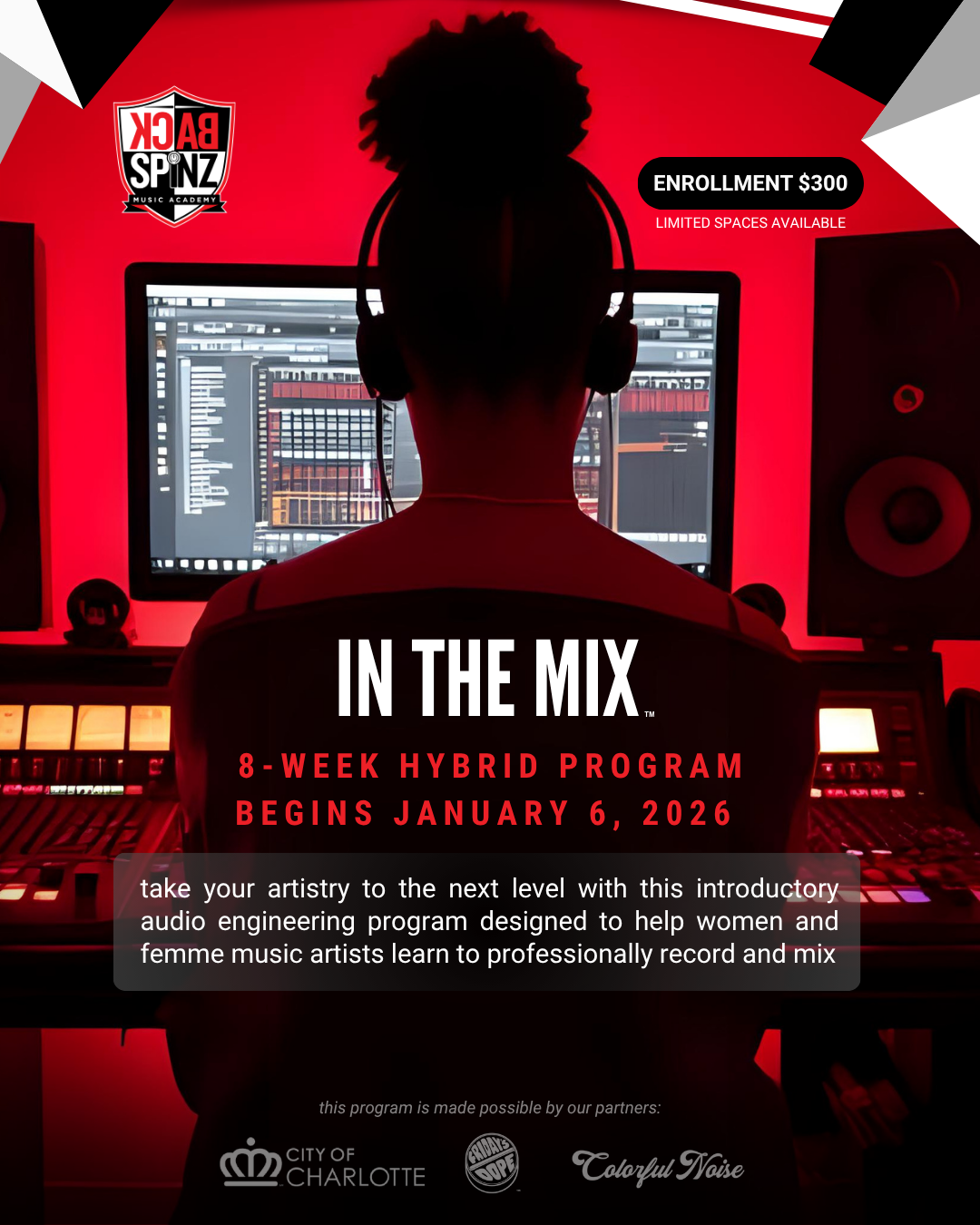
I recruited through my personal network and Instagram, opening applications to any woman or femme artist wanting hands-on audio engineering experience. Seven people applied and were accepted. Two didn't complete the program, for reasons unrelated to the program itself, leaving a final cohort of five, including myself.
The Creative Growth Grant funded my own seat in the program and administrative fees. To expand access beyond myself, I offered each additional participant a subsidized rate of $300, a fraction of the program's actual per-person cost of $1,200, to help offset the cost of running a full cohort.
Sessions were held at Backspinz Academy for in-person labs, with graduation hosted at friday's dope house. Participants needed only a shared Google Folder to get started; a laptop, headphones, MIDI controller, and DAW trial access were recommended but not required, keeping the barrier to entry low.
COLLABORATORS
The following partners were essential to the successful execution of this trial, lending the expertise, space, and support that made the results possible.



FIELD NOTES
a few personal reflections from my own participation in the cohort.
RESULTS
The hypothesis held: five women and femme artists left with more than technical skill, they left with confidence, community, and a body of work to prove it.
in the mix - live performance by cohort alpha 2026 (video courtesy of jordan dixon)
in the mix slideshow - cohort alpha 2026
THE SYMPOSIUM
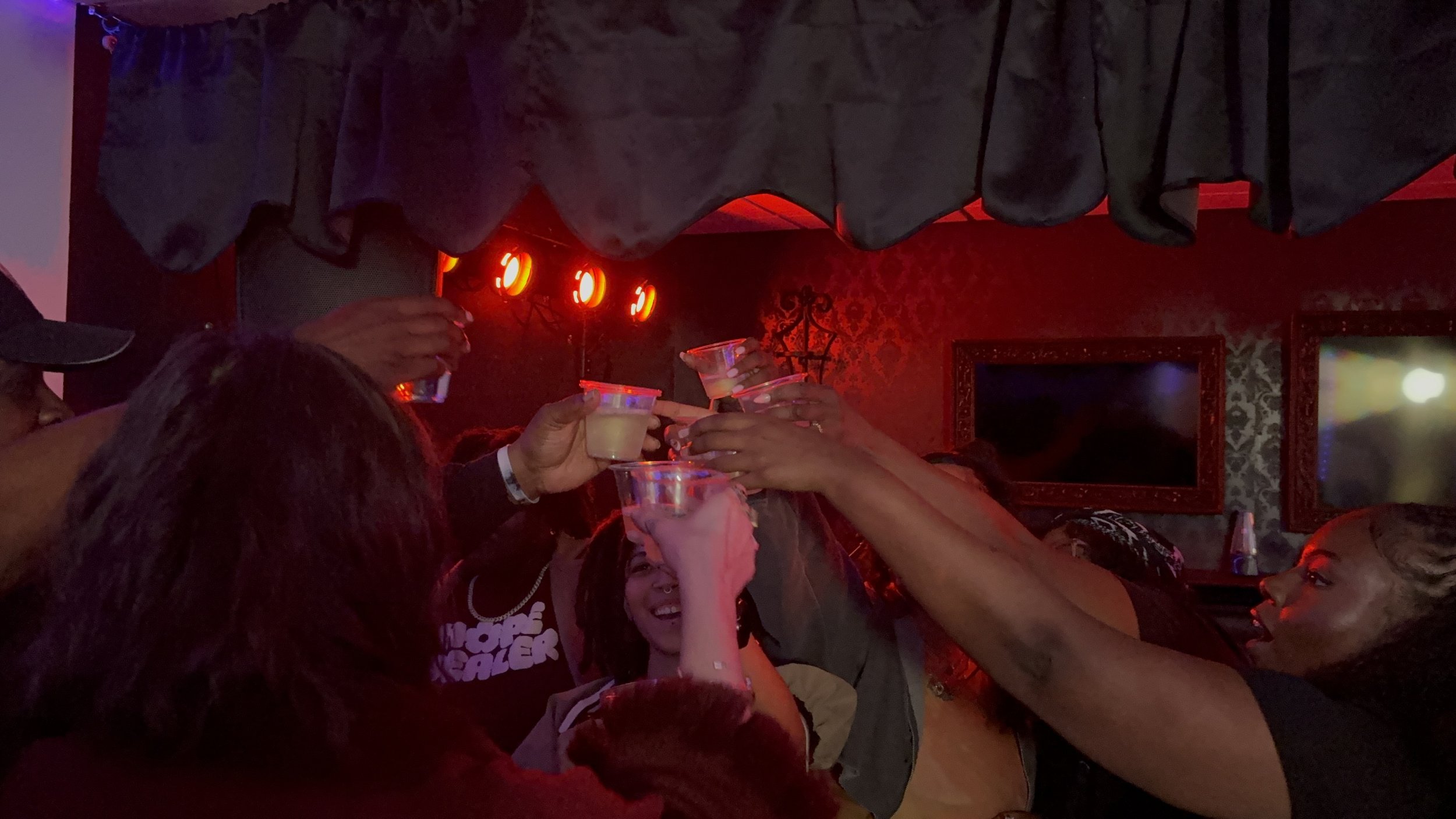
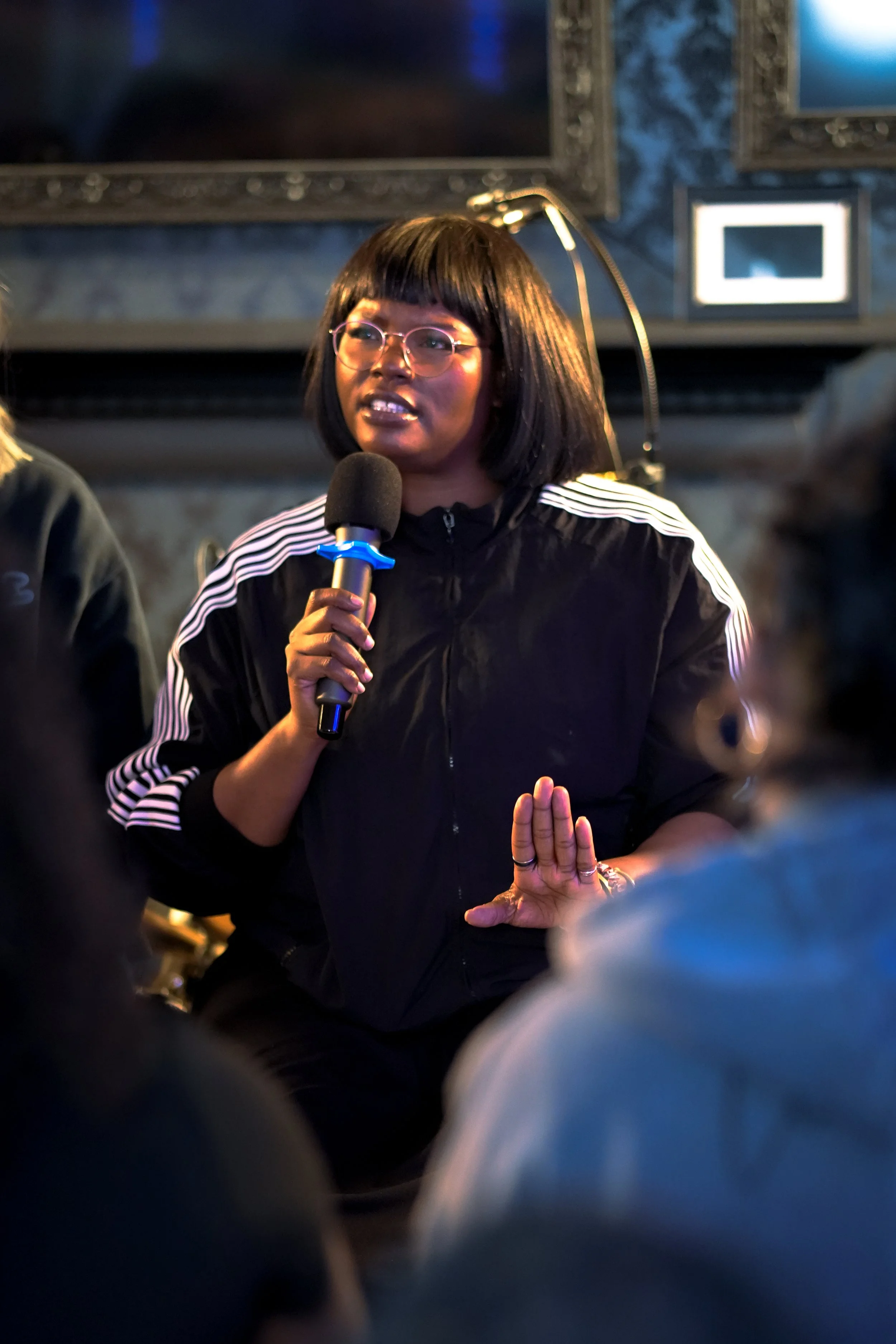
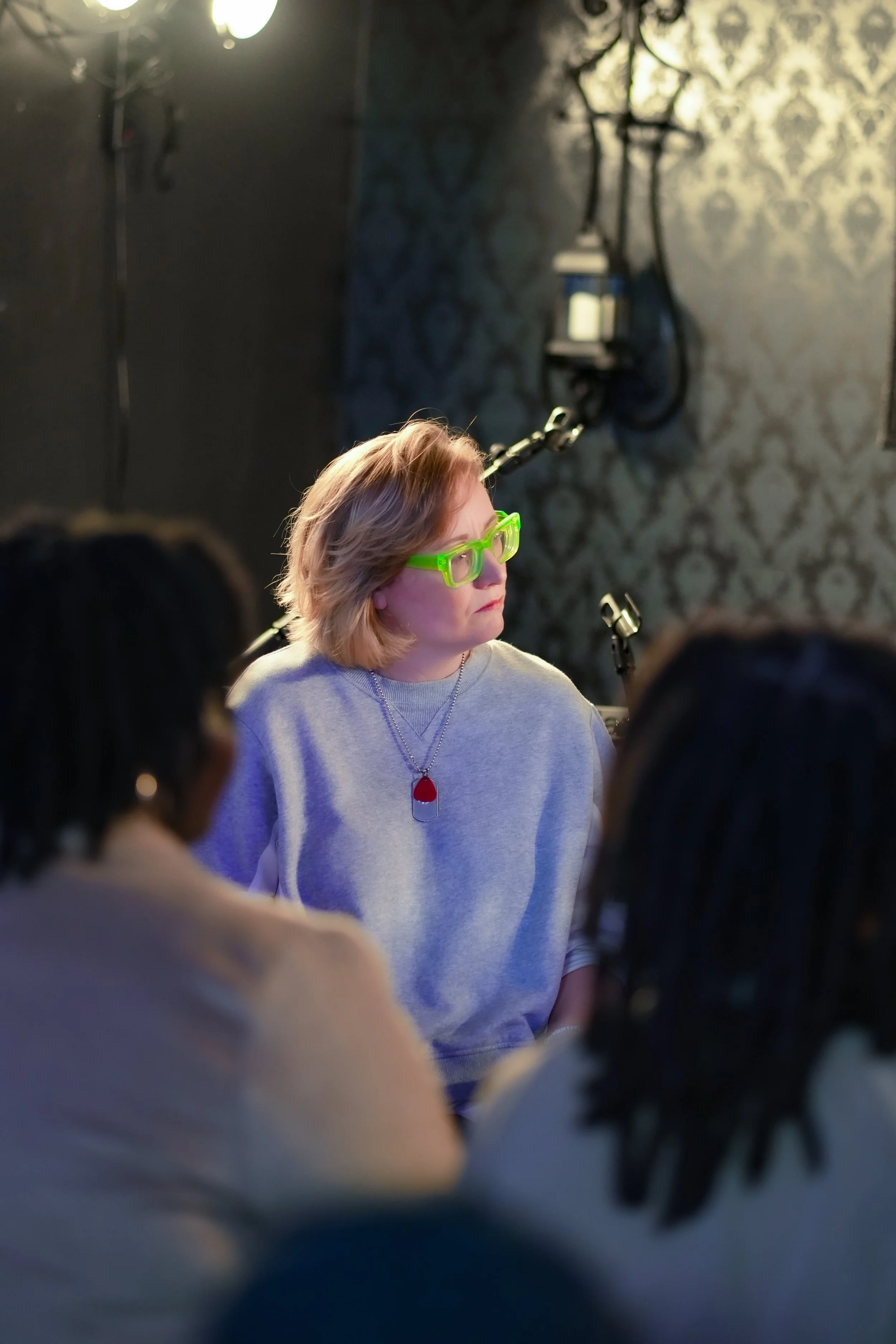
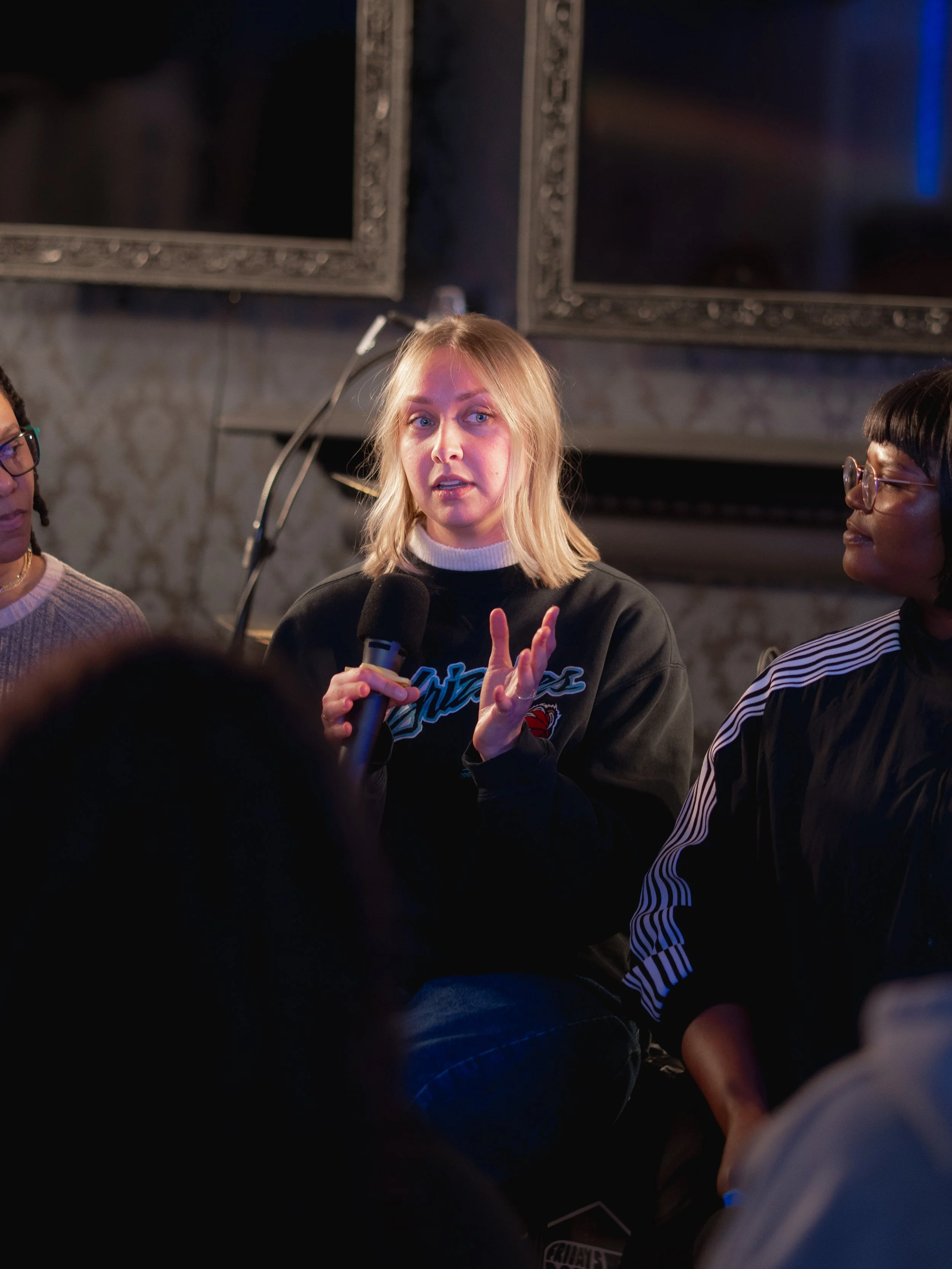
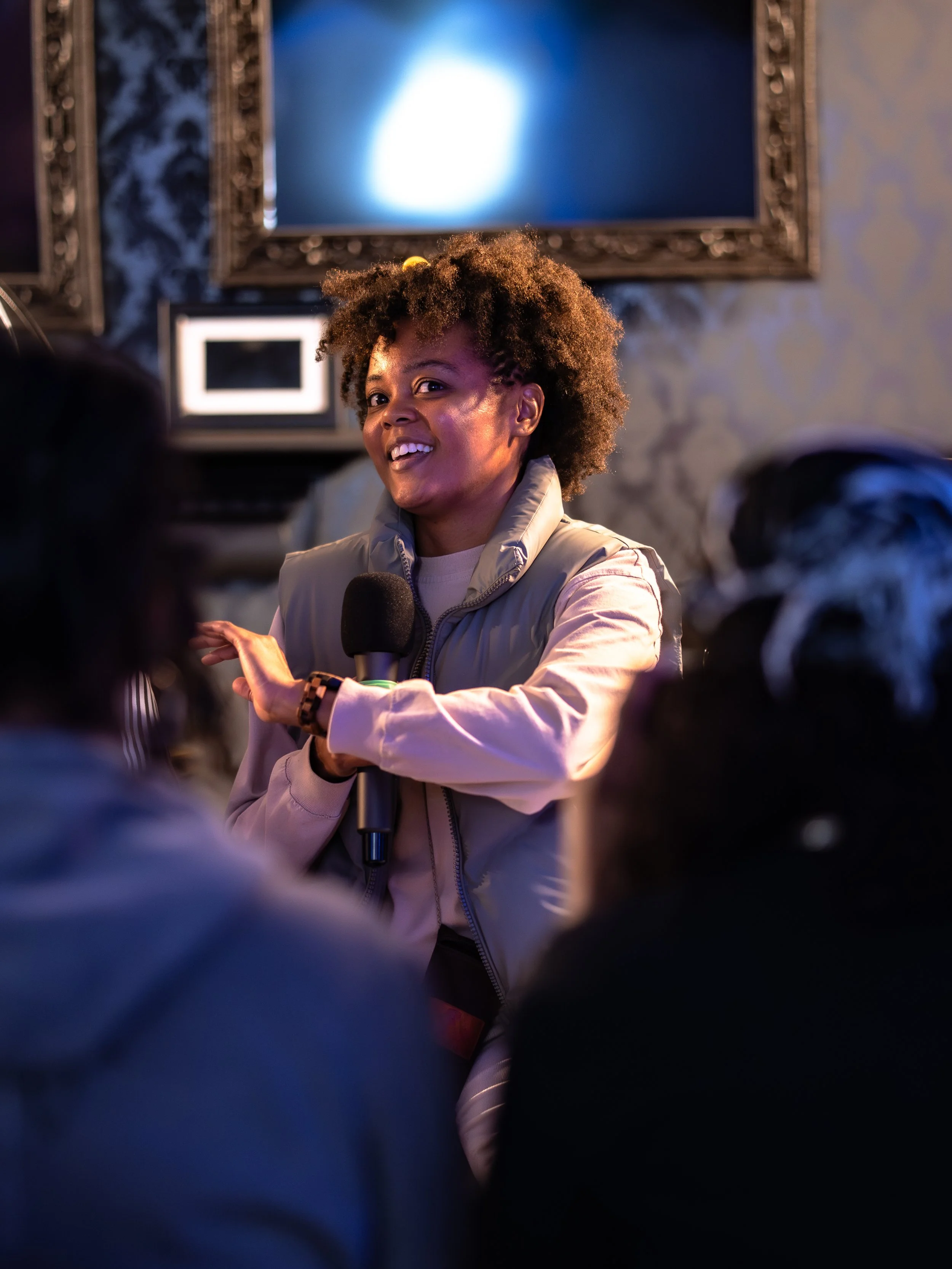
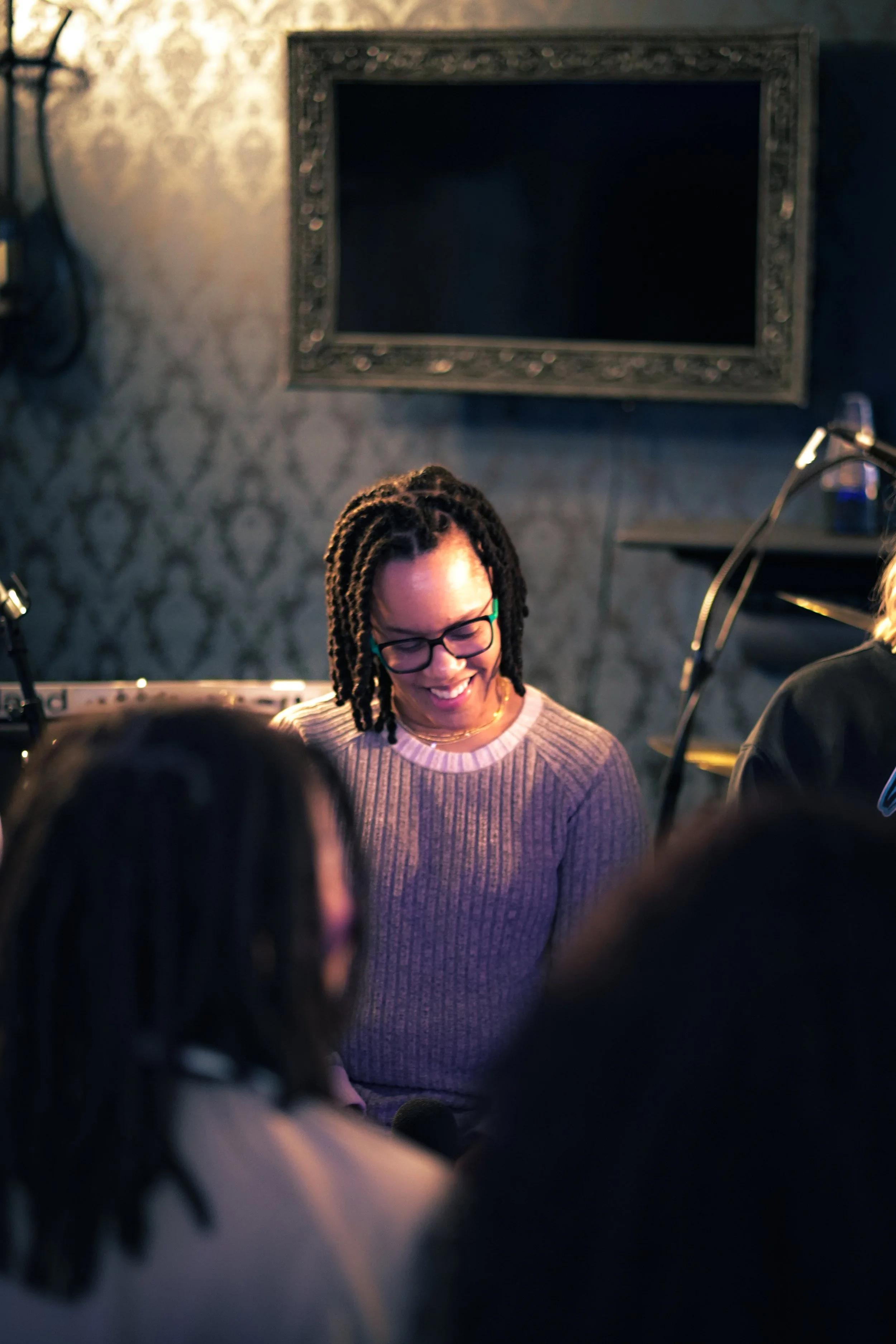
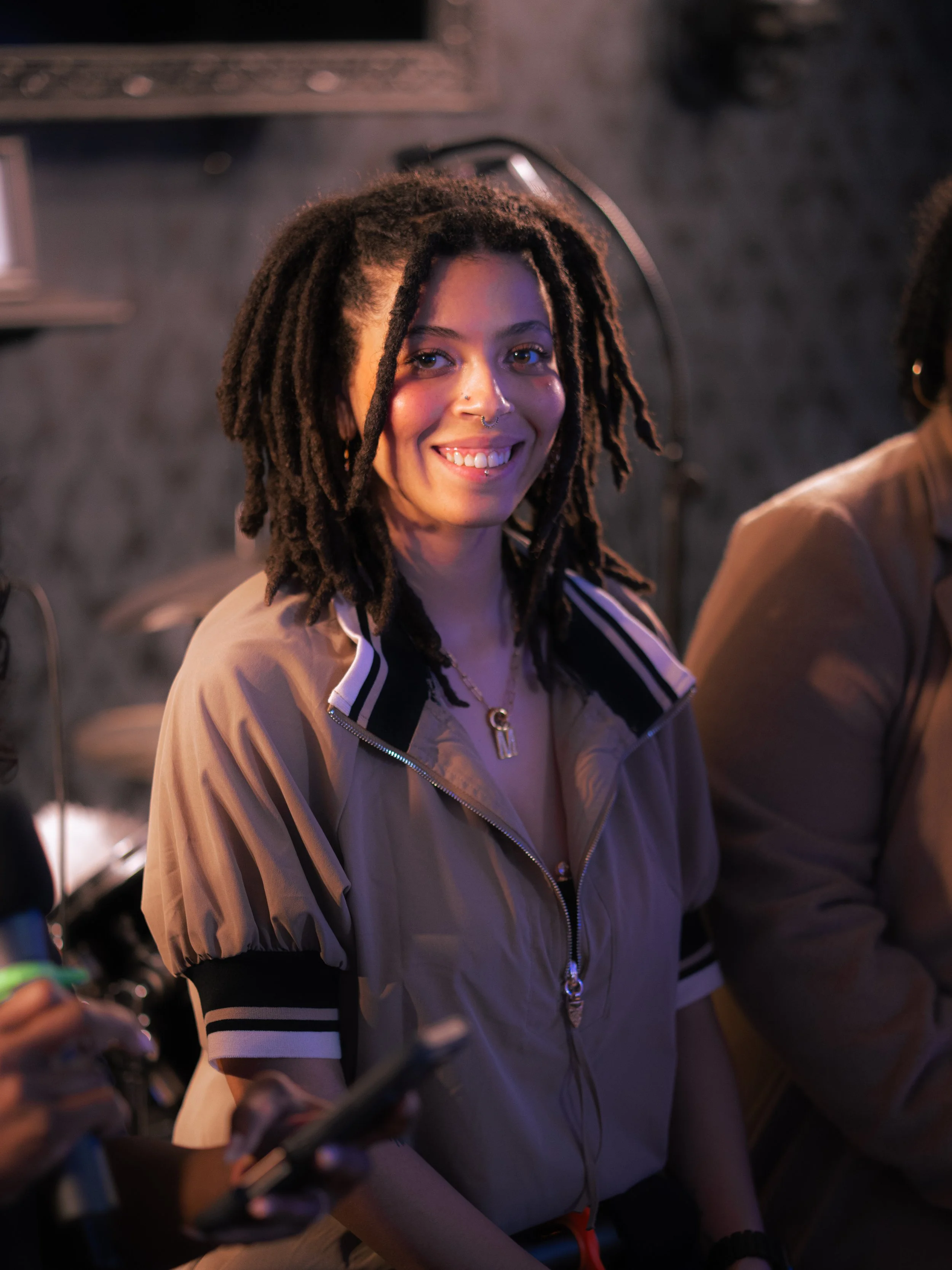
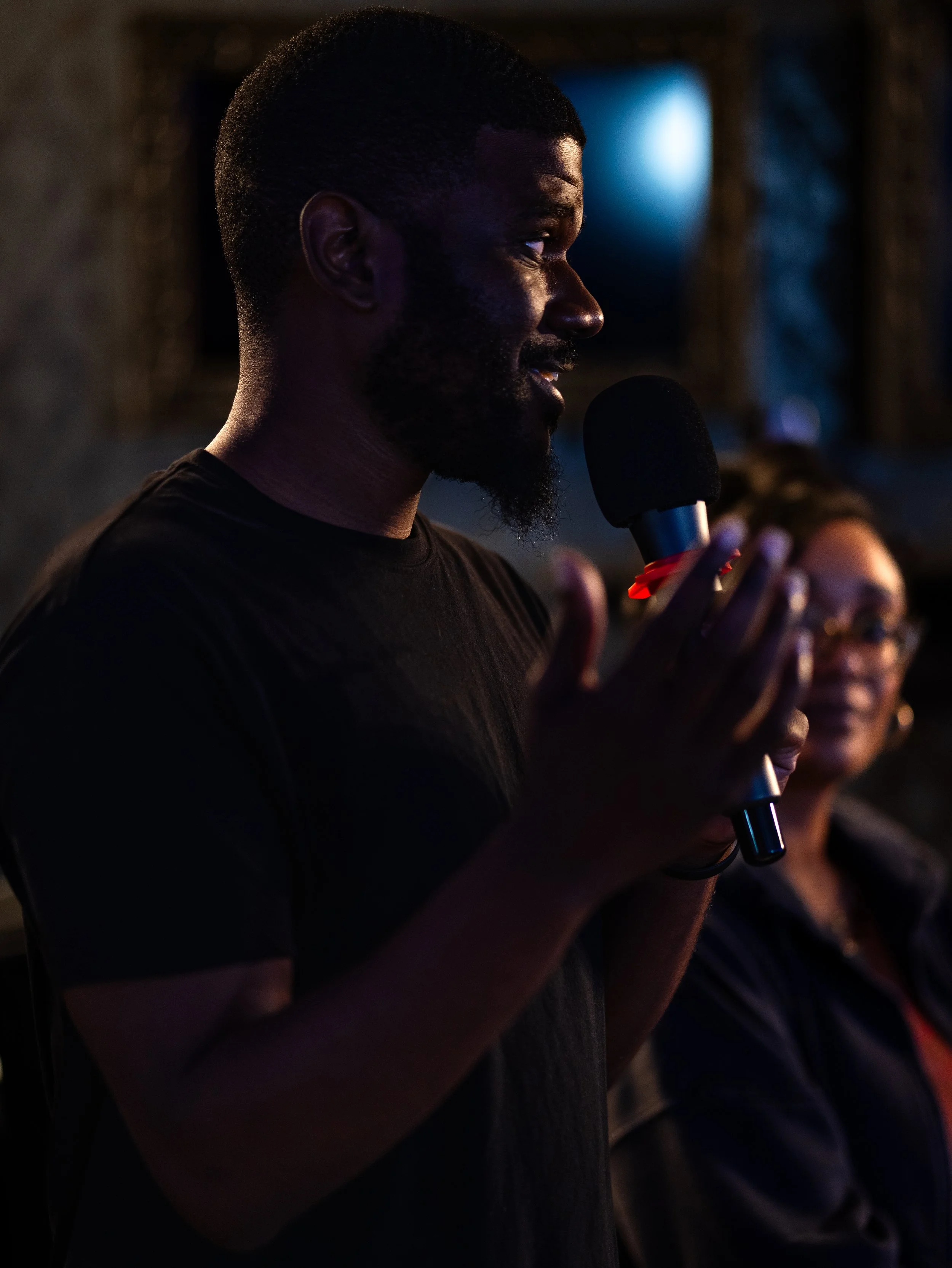
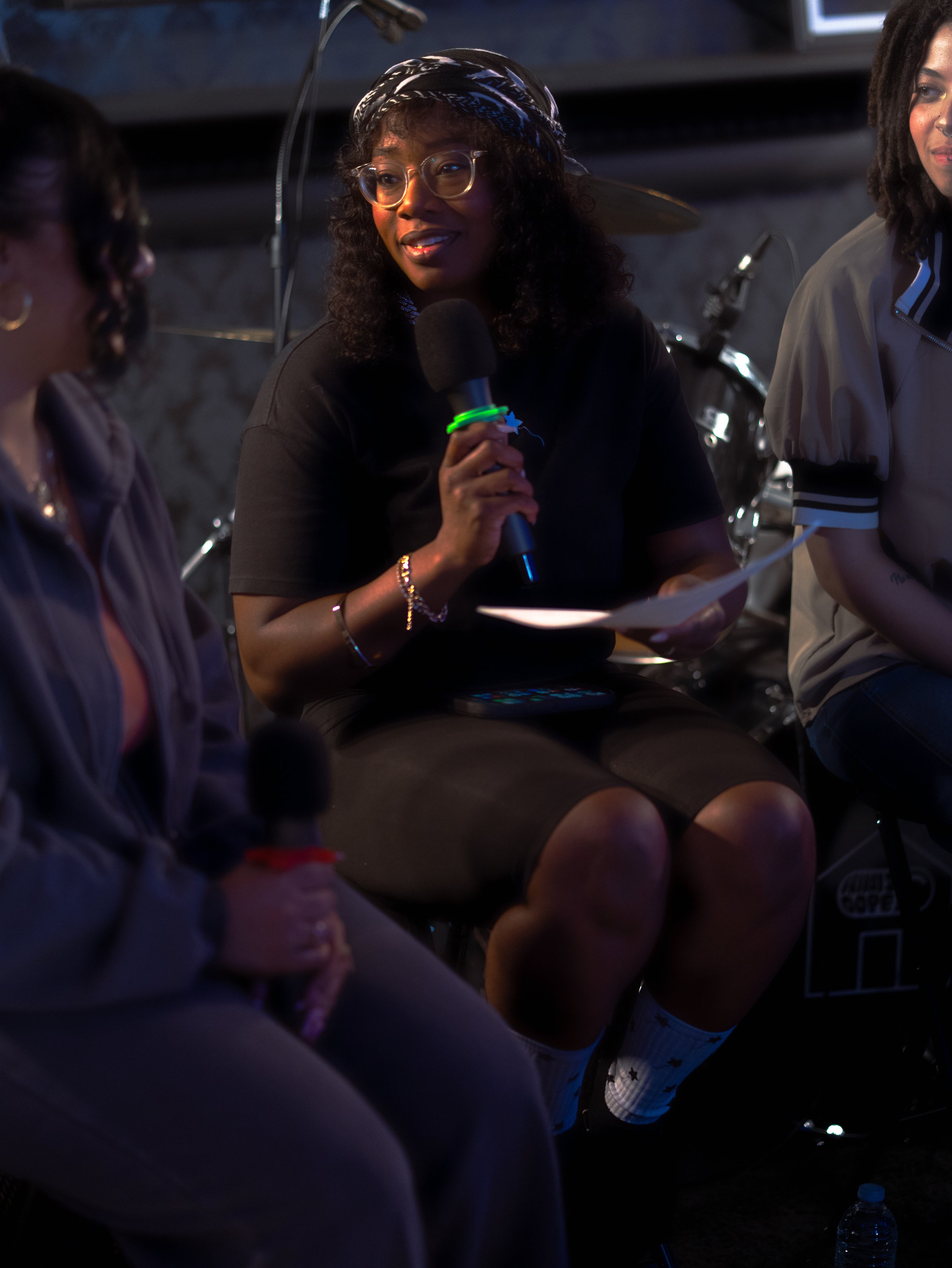
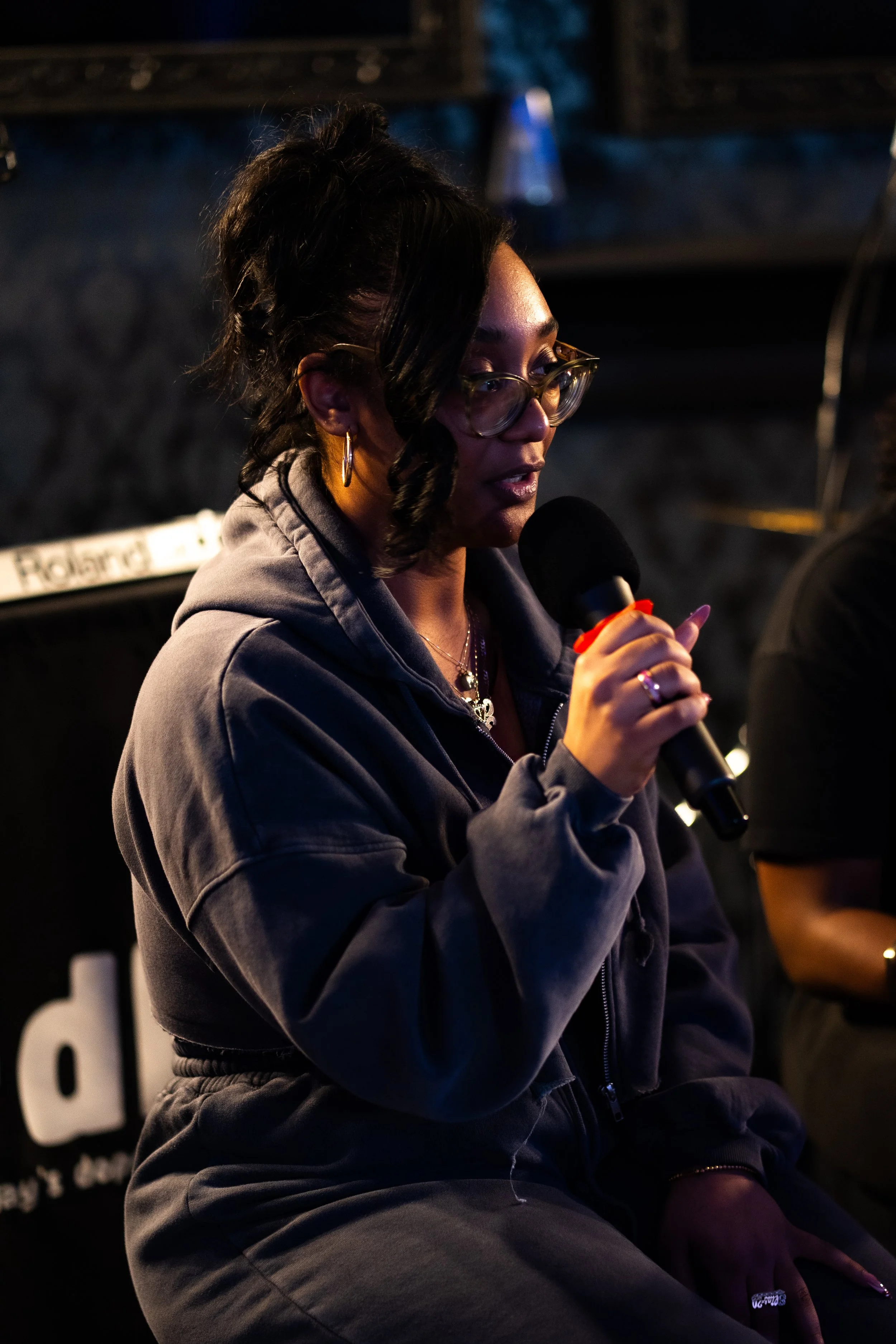
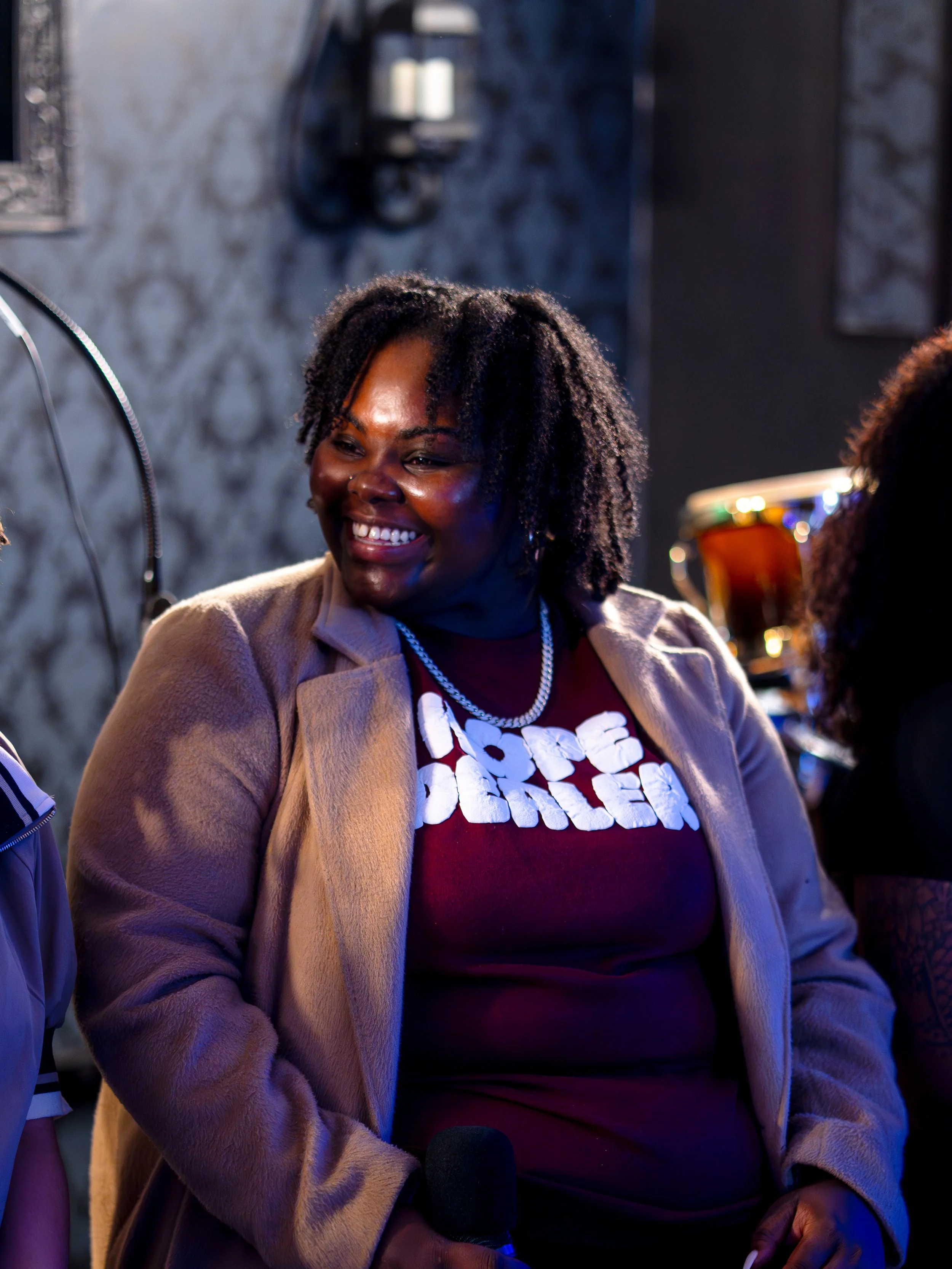
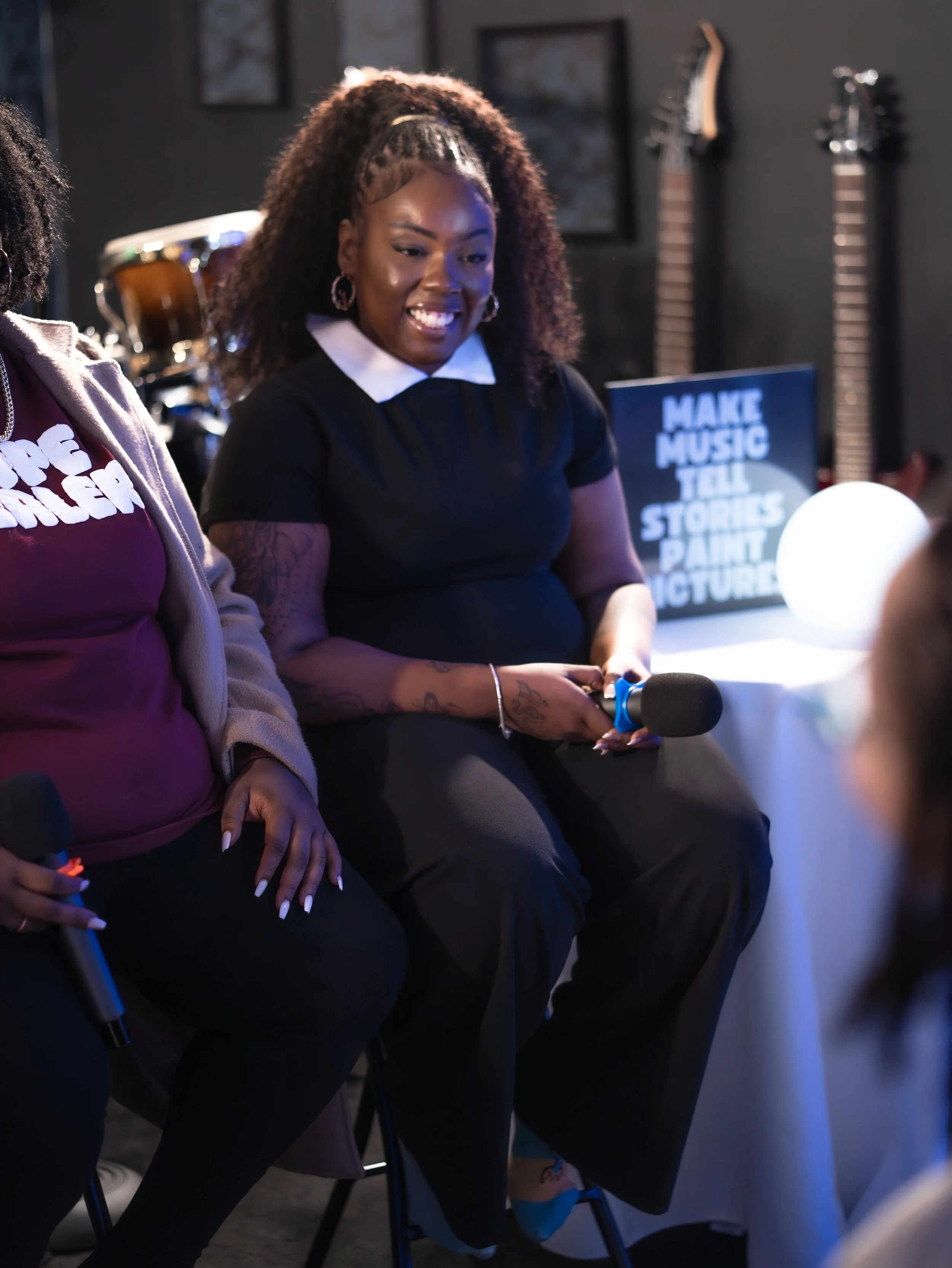
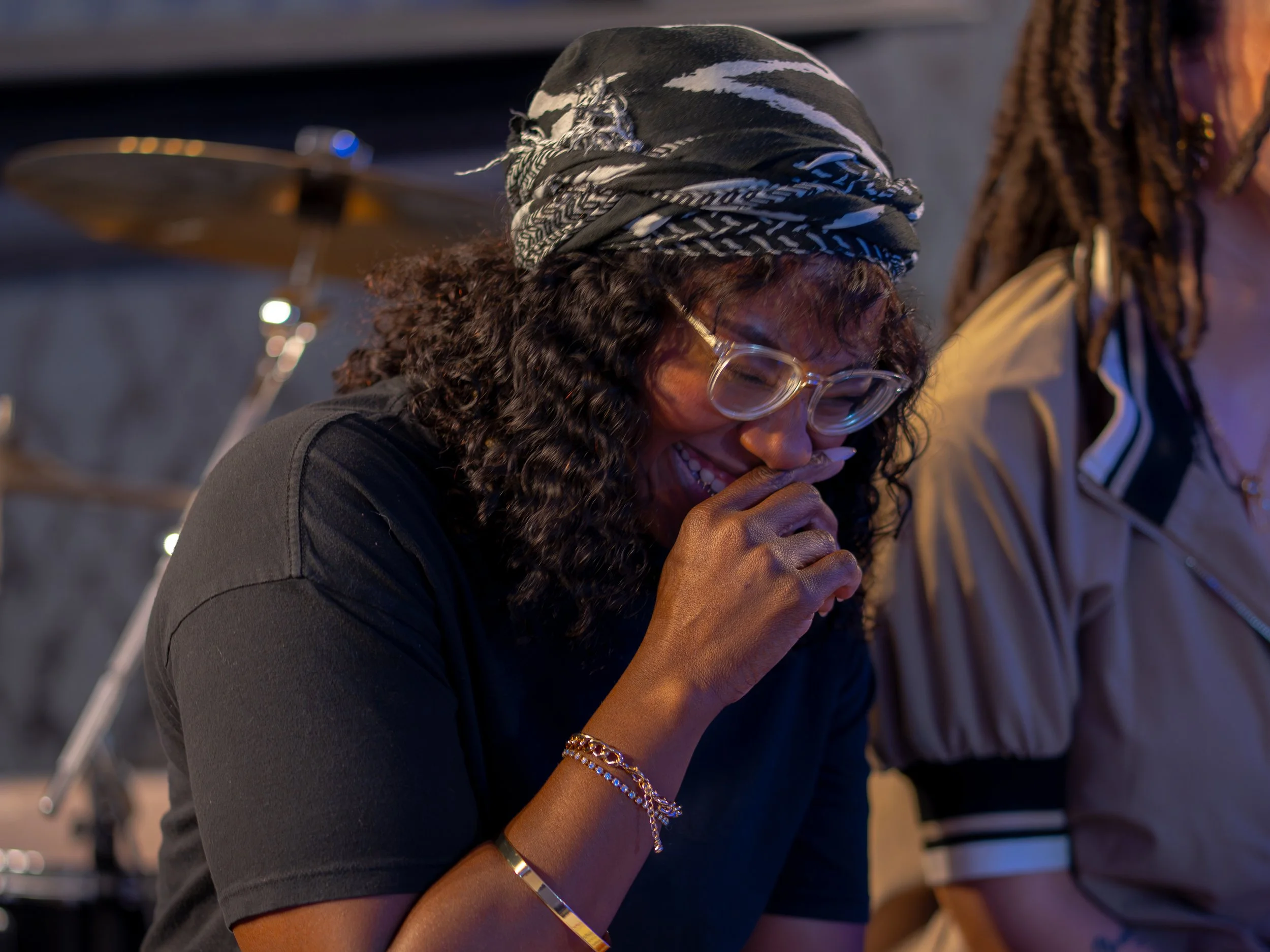
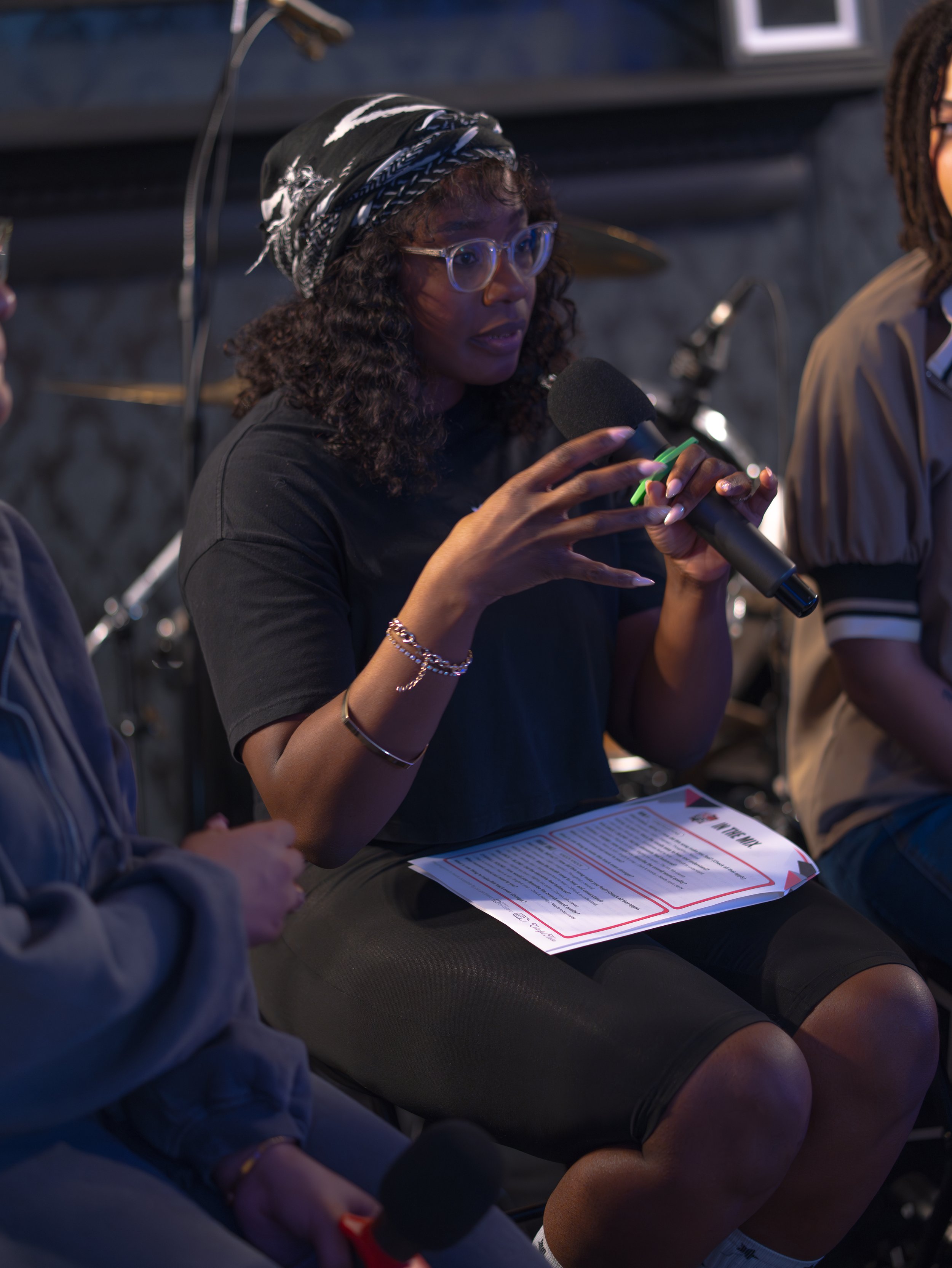
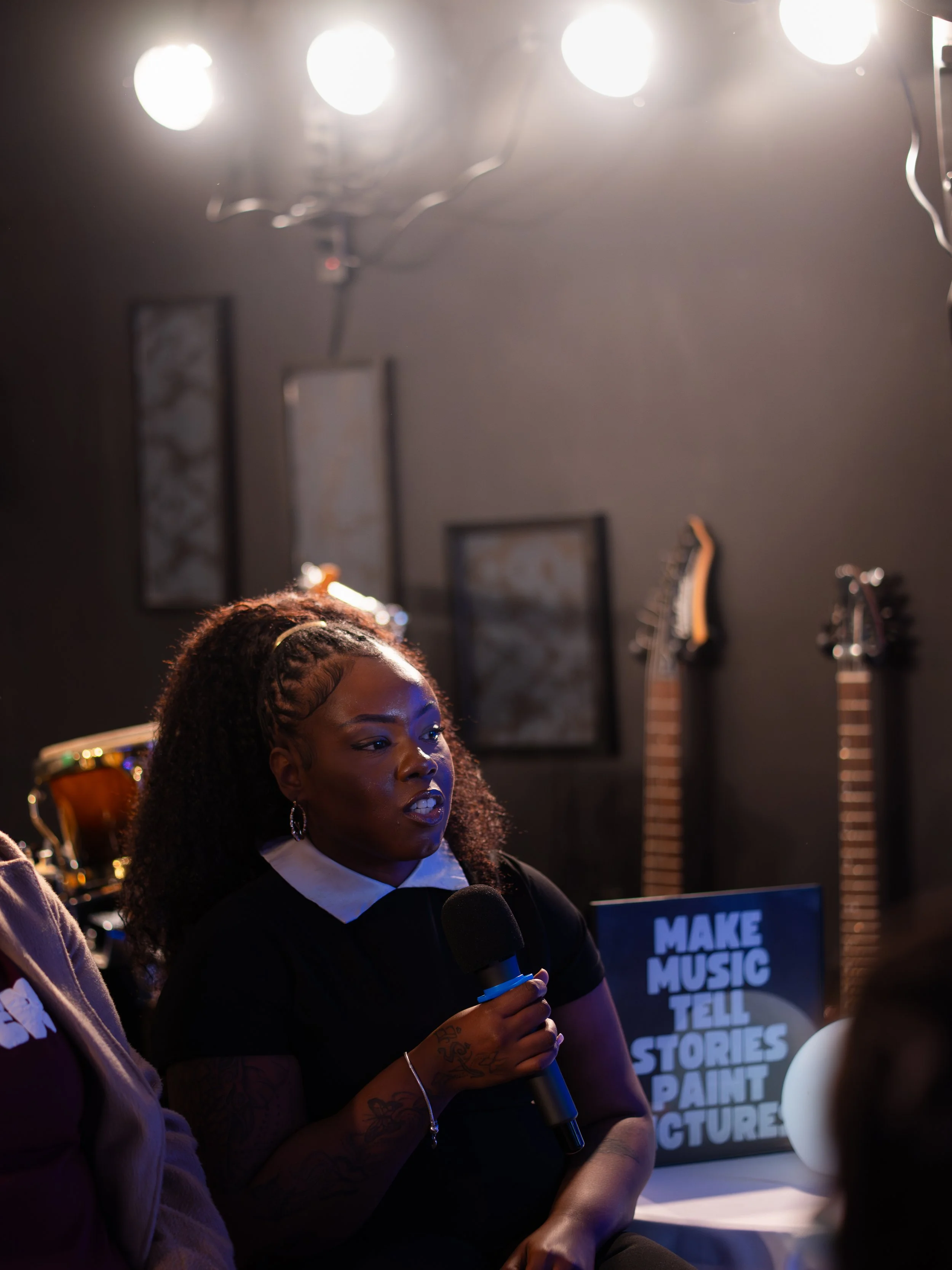
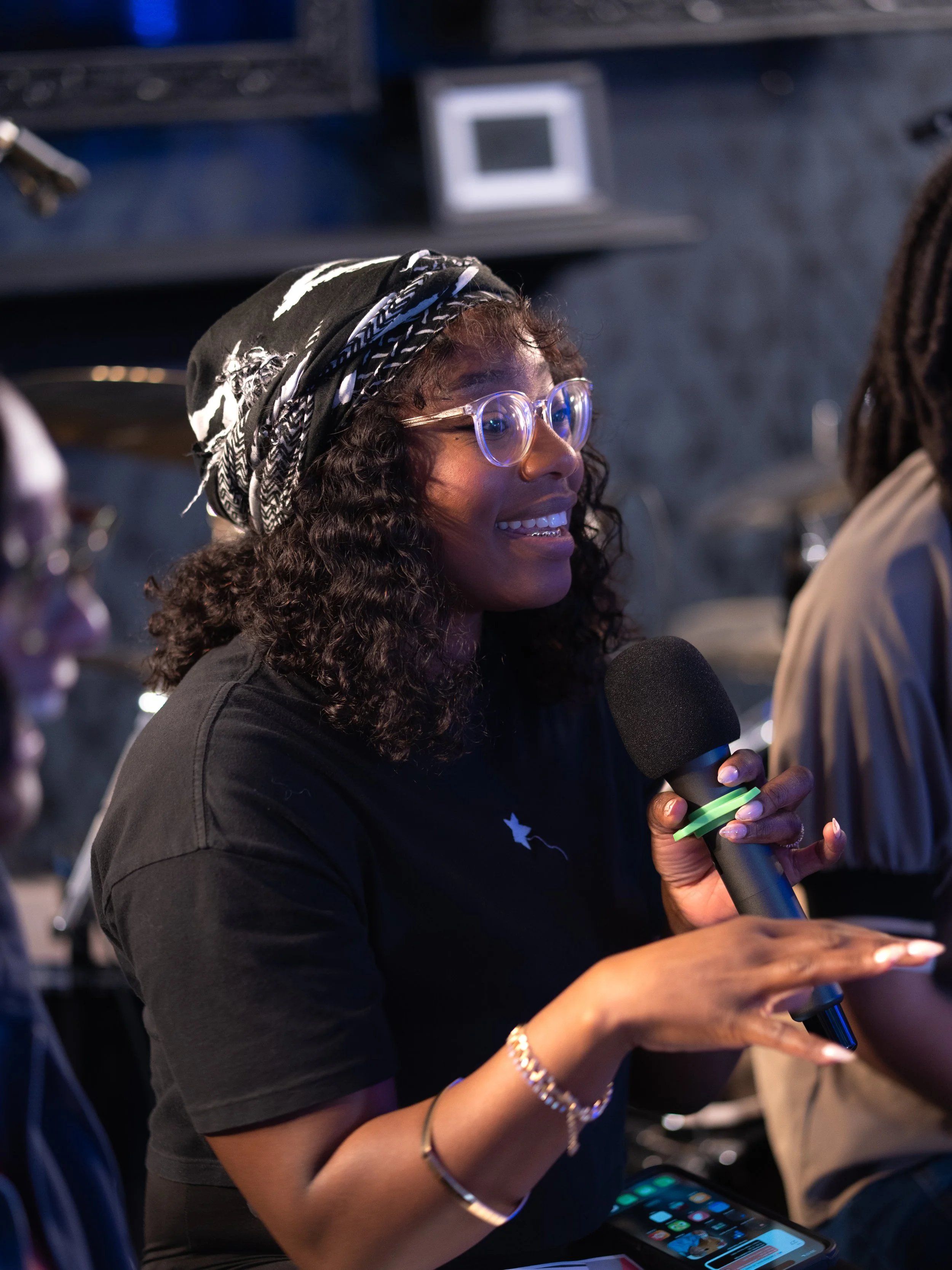
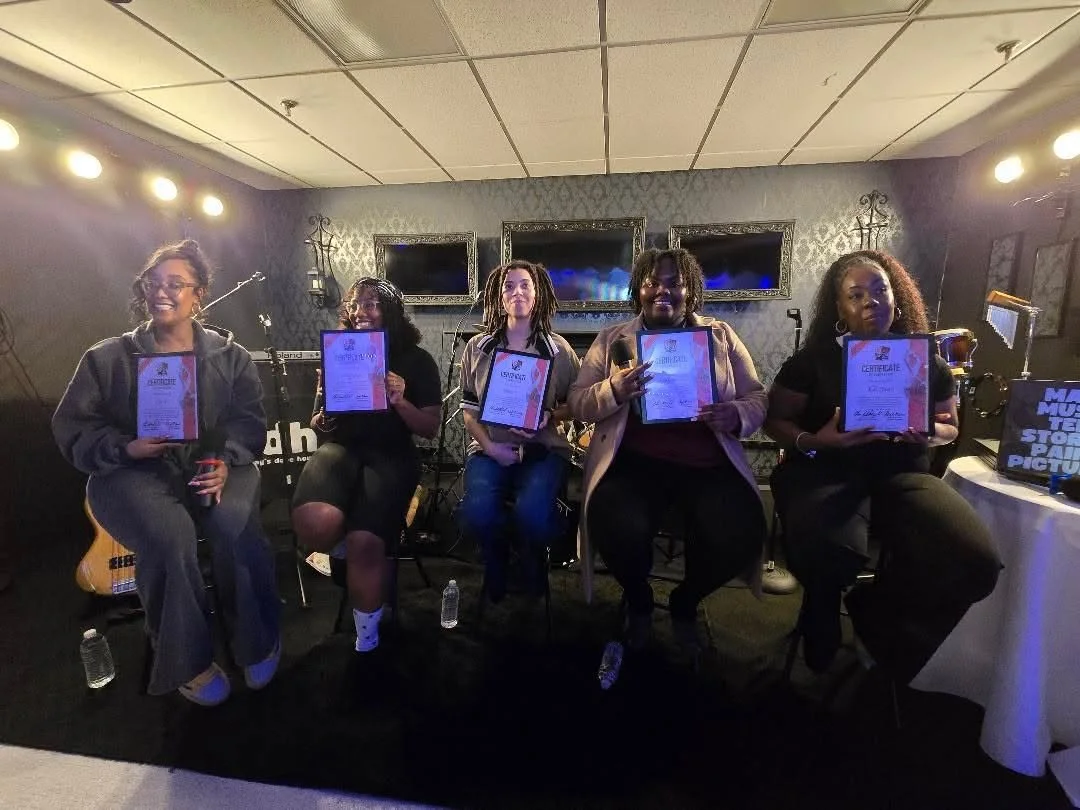
In the Mix's graduation celebration marked the close of the eight-week program. The evening opened with a tour of Backspinz Academy, followed by a panel discussion with local women and femme artists on navigating a music industry where representation is still scarce.
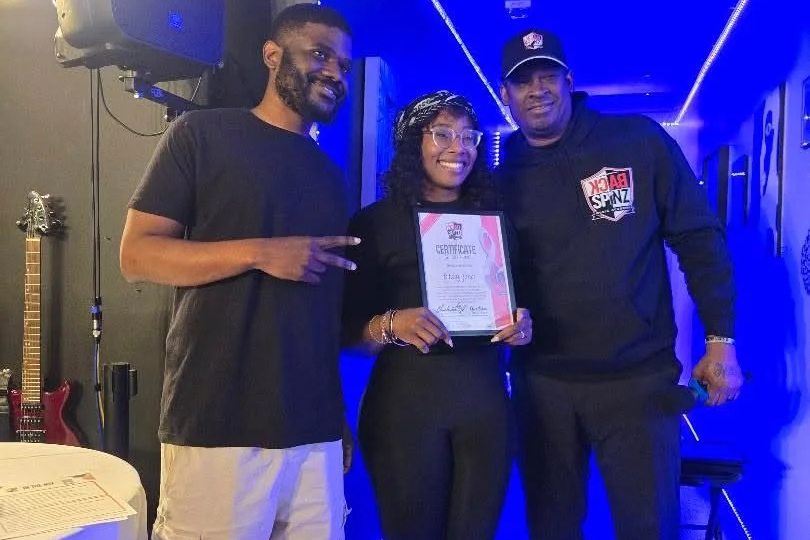
Attendees then participated in an interactive listening session where industry professionals and supportive loved ones responded to the cohort's final tracks. The evening closed with certificates of completion, a performance of our cohort anthem, and time to mix, mingle, and celebrate. below are a few moments from the evening.
AUDIO DATA POINTS
The tangible proof: five original tracks, fully recorded and mixed by the artists who made them.
In the Mix
A last-minute idea in our final week turned into an official anthem, one last collaboration before graduation, and proof of how much we just wanted to keep creating together.
produced by ca-26, mixed by Nigel Malone
PARTICIPANT FEEDBACK
post-program evaluation stats
Instruction rated 4.75 out of 5 (with 5 being the highest)
100% of participants said they would recommend the program to other women and femme music artists
100% cited hands-on exercises as the most effective part of the learning experience
Before the program, 75% of participants rated their audio engineering confidence at a 1 or 2 out of 5 (with 5 being very confident); after completing the program, 100% rated their confidence at a 4 or 5
CONFIDENCE BOOST
CONSTRAINTS
No trial runs without constraints. Here's what shaped this one, and what i would change moving forward.
-
Eight weeks was a deliberate trade-off. I originally wanted a 10-12 week program, enough time to slow down, go deeper, and let skills actually settle, but a shorter timeline was easier for people to commit to and complete. In an ideal setup, the program runs a minimum of 12 weeks and includes copyright and publishing education, giving participants not just the technical skill, but the knowledge to protect and monetize what they create.
-
Running In the Mix while also participating in it meant switching hats, and there was no version where either received my full attention.
In an ideal setup, the roles are split further: I stay on as director, with a separate coordinator handling day-to-day logistics, a lead instructor, and a dedicated assistant for the cohort. An assistant would let the instructor lead without gaps, supporting setup and breakdown for labs, starting class, and providing feedback where they couldn't be in two places at once.
-
The program's budget covered instruction and space, but not much beyond it. Equipment and software subscriptions, ear training and hearing health resources, guest speakers, and professional photo or video coverage of the listening session were all things I wanted but couldn't fund.
In an ideal setup, larger grants, sponsorships, and partnerships close that gap: equipment and headphone sponsors, hearing exams and ear training access, honorariums for guest speakers, a dedicated videographer and photographer to properly document participants' work, and the additional staffing previously described.
-
Participants came in with a wide range of experience, and without a formal assessment beforehand, that range only became clear once the program was already underway. Curriculum adjustments happened in real time instead of being planned in advance.
In an ideal setup, a pre-program assessment gauges where each participant is starting, and instruction is clearly split into beginner, intermediate, and advanced tracks, so pacing serves everyone instead of averaging out the middle.
DISCUSSION
SCALE
Cohort Alpha-26 proved the model works at a small scale. The next step is proving it holds at a larger one. I've applied for funding to expand In the Mix into a 16-week program running twice a year, spring focused on audio engineering, fall on music production, with a paid coordinator on staff.
The expansion also introduces a Stipend Concert model: a grant-funded live show where participants take on real production roles and get paid for the work, while an emerging Charlotte artist gets a professionally produced set they might not otherwise afford.
Growing the partner network, deeper ties with venues, arts organizations, and youth STEAM programs, extends the pipeline in both directions. Young girls and femme youth see these careers as possible, while In the Mix alumni mentor them.
Extend
Between cohorts, I want to keep the community active through In the Mix Intensives, three-hour sessions built around specific industry topics, starting with sync licensing. Each one mirrors the format that worked at graduation: a panel discussion, a listening and feedback component, a physical takeaway, and dedicated time to connect. The Intensives double as alumni access and a lead-generation path into future cohorts, and they're tied to a grant I'm pursuing for a sync licensing community membership, where the community-impact commitment is a direct knowledge transfer, back to the artists who came through the program and open more broadly to local women and femme music artists and professionals.
CONCLUSION
The hypothesis held once. Scale and the Intensives are how I test whether it holds at every size after this.